The best songs don't just entertain; they articulate our deepest desires, giving voice to feelings we sometimes struggle to express. Fifth Harmony’s 2015 hit, "Worth It," is a prime example, a powerful anthem whose lyrical devices, themes, and message coalesce into an undeniable declaration of self-value. It’s a track that grabs you by the collar, demanding attention not just for its infectious beat, but for its resonant message of unwavering self-worth.
From the first brassy blast, "Worth It" makes it clear: this isn't a song about asking for permission, but about asserting an inherent, non-negotiable value. It taps into a universal human need to be recognized, respected, and appreciated, framing this pursuit not as a plea, but as a right.
At a Glance: "Worth It" by Fifth Harmony
- Core Message: Unconditional self-worth and the demand for respect and recognition.
- Key Themes: Empowerment, confidence, challenging societal expectations (especially for women), and the assertion of personal value.
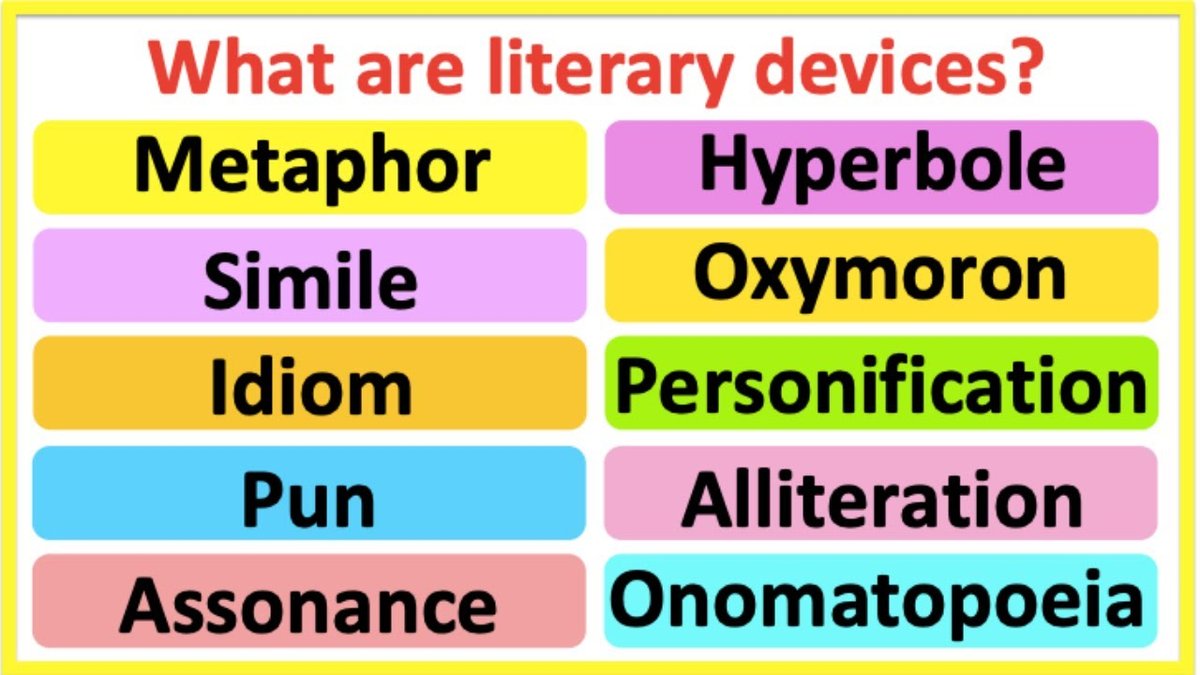
- Lyrical Devices: Repetition (mantra), direct address, assertive language, metaphor (club as a battleground).
- Impact: A cultural touchstone for self-assertion, relevant to personal growth, equality, and overcoming self-doubt.
- Sound Meets Sense: The song's high-energy sonic landscape perfectly mirrors its bold, confident lyrical stance.
The Unmistakable Roar: Decoding the Mantra of Self-Worth
At the heart of "Worth It" lies its incredibly potent chorus: "Give it to me, I’m worth it." This isn't just a catchy hook; it's a carefully crafted mantra designed for repetition and internalization. In an era saturated with curated online personas and societal pressures that often amplify self-doubt, this phrase cuts through the noise like a siren. It’s a rallying cry that transforms the act of seeking validation from an external quest into an internal declaration.
Think about it: "Give it to me" isn't a request; it's a command. It signifies a refusal to settle for less, an expectation that one's value will be acknowledged. The follow-up, "I’m worth it," isn't a justification; it's a foundational truth. This duality makes the chorus incredibly powerful. It challenges the listener to first recognize their own inherent value, then to unapologetically demand that the world recognize it too.
This mantra isn't confined to romantic entanglements; its scope is far broader. It applies to professional aspirations, personal relationships, and even one's internal dialogue. When you internalize "I'm worth it," you begin to counter the insidious whispers of inadequacy that can be amplified by societal judgment or the curated perfection seen on social media. It serves as a constant reminder that your value is not contingent on external approval but is an intrinsic part of who you are. To truly appreciate the full lyrical force, it helps to review the Worth It by Fifth Harmony lyrics.
Beyond the Beat: Sonic Seduction Meets Lyrical Assertion
While the lyrics are the backbone, "Worth It" also masterfully uses its sonic landscape to reinforce its themes. The throbbing baseline and sharp brass sections create an atmosphere of urgent confidence, almost a challenge. This isn't background music; it’s foreground music, demanding your attention.
The song’s structure itself is a lyrical dance between self-assurance and a playful, almost seductive assertion of power. Lines like ‘Uh-huh, show me what you got’ and ‘What you actin’ shy for?’ aren't just flirty; they're tests. They challenge the other party to step up, to prove their worth in the face of the speaker’s undeniable self-possession. The club setting, often depicted as a place of superficiality, becomes a metaphorical battleground. Here, self-worth is appraised not by external glamour, but by the internal conviction one projects. It’s a setting where the stakes are high, and only those truly confident in their value can emerge victorious. The music and lyrics together craft a scene where confidence isn't quiet; it's bold, it's brassy, and it's irresistible.
Challenging the Narrative: Women, Expectations, and Reclamation
"Worth It" carries a significant subtext that subtly but firmly comments on societal expectations, particularly concerning women. The song isn't just about general self-worth; it’s specifically powerful in its portrayal of women asserting agency and demanding respect in a world that often tries to diminish it.
Consider the line, ‘I tell her bring it back like she left some.’ On the surface, it might seem like a simple command in a flirtatious context. However, deeper analysis reveals a potent call for reclaiming lost dignity, self-respect, or authority. It’s about not just getting respect, but repossessing what was always rightfully yours, perhaps eroded by judgment, superficiality, or gendered stereotypes. It implies a narrative where something valuable was taken or ceded, and now it's time to demand its return. This concept of reclaiming one's narrative and demanding respect is a recurring theme in songs that champion female empowerment.
Further bolstering this defiance is the declaration, ‘I may talk a lot of stuff / Guaranteed I can back it up.’ This lyric directly confronts the passive stereotypes often ascribed to women, where ambition or strong opinions might be dismissed as mere "talk." Here, the speaker explicitly states her authenticity and capability. It’s a powerful statement of intent and a promise of competence, boldly challenging anyone who might doubt her based on preconceived notions. This isn't just confidence; it's a strategic defiance of the status quo, refusing to let potential skepticism undermine genuine ability.
Lyrical Toolkit: Devices That Amplify the Message
The lasting impact of "Worth It" isn't accidental; it's a testament to the masterful use of lyrical devices that amplify its core message. Songwriters often employ these tools to make their words resonate more deeply, and "Worth It" is a textbook example.
Repetition and Mantra
As explored earlier, the most prominent device is repetition, particularly of the chorus, "Give it to me, I'm worth it." This isn't mere catchy songwriting; it functions as a mantra. Mantras are powerful because their repeated utterance helps embed a belief or intention into the subconscious. Each time the chorus hits, it reinforces the core message, making it more difficult to ignore and easier to internalize. This consistent drumbeat of self-worth is what gives the song its enduring power and helps listeners adopt its message.
Direct Address (Apostrophe)
The song frequently uses direct address, utilizing pronouns like "you" and "me" to create an intimate, yet confrontational tone. Phrases like "Uh-huh, show me what you got" and "What you actin’ shy for?" directly engage the listener, or an imagined "other," drawing them into the conversation. This makes the message feel personal and immediate, as if the singers are speaking directly to you, or inviting you to join their assertive stance. It removes the distance between performer and audience, making the message of self-assertion feel universally applicable.
Metaphor and Symbolism
The club setting serves as a potent metaphor. While it's a literal location for revelry, symbolically, it represents any arena where one's worth is appraised—a job interview, a social gathering, a relationship, or even the court of public opinion. Within this setting, the interactions become symbolic battles or negotiations for respect and recognition. Similarly, "bringing it back" is a symbolic act of reclaiming, suggesting that dignity and authority can be reasserted, not just gained. Understanding these layers is key to truly analyzing pop song lyrics beyond their surface meaning.
Assertive Language and Declarative Statements
The language throughout the song is overwhelmingly assertive and declarative. There are very few questions (outside of challenging ones like "What you actin' shy for?") and no hedging. Lines like "Guaranteed I can back it up" and "I'm worth it" are absolute statements of fact. This linguistic confidence mirrors the emotional confidence the song advocates, making the message feel undeniable and absolute. This choice of language leaves no room for doubt, reinforcing the non-negotiable nature of the value being asserted.
The Enduring Echo: Why 'Worth It' Still Resonates
Years after its release, "Worth It" remains a cultural touchstone for a profound reason: it encapsulates the universal truth of seeking validation and respect. Every human being, at some point, grapples with feelings of inadequacy or the need for recognition. The song provides a soundtrack to that struggle, but more importantly, it offers a definitive answer: your value is inherent.
Its relevance hasn't faded; if anything, it’s intensified in a world increasingly focused on individual identity and self-advocacy. The song’s message about asserting one’s value unequivocally in life, and its direct relevance to ongoing discussions around equality and respect, ensure its enduring impact. It inspires listeners to never understate their worth, to stand firm in their convictions, and to demand the respect they deserve in every aspect of their lives. It's a testament to the power of pop music to deliver profound social commentary, disguised as a catchy hit.
Beyond the Mic: Applying the 'Worth It' Mindset
The genius of "Worth It" isn't just in its catchy tune or powerful lyrics; it's in the actionable mindset it promotes. How can you take the spirit of this anthem and weave it into your own life?
- Identify Your Inherent Value: Before you can declare your worth to others, you must recognize it within yourself. What are your strengths, your unique contributions, your non-negotiable qualities?
- Practice Affirmation: The repetitive chorus of "Worth It" is an affirmation. Create your own daily affirmations about your self-worth. Speak them, write them, believe them.
- Set Clear Boundaries: Asserting your worth often means saying no to what diminishes you and yes to what uplifts you. Learn to communicate your boundaries clearly and firmly.
- Demand Respect, Don't Ask: Just like the song’s tone, shift from asking for respect to expecting it. This isn't about arrogance; it's about a foundational belief that you deserve to be treated with dignity.
- Back It Up: The lyric "Guaranteed I can back it up" is crucial. Strive for competence and authenticity in your pursuits. This isn't to prove your worth (which is inherent), but to live consistently with the high value you place on yourself.
- Challenge Your Doubters (Including Yourself): "I think I'ma call your bluff" is a direct challenge. Be ready to question those who undermine you, and more importantly, challenge your own internal voice of self-doubt.
Cultivating this mindset is a continuous journey, but songs like "Worth It" serve as powerful reminders and tools. They don't just entertain; they equip us. If you're looking for more ways to cultivate confidence, exploring resources on how music can build self-confidence might offer further inspiration.
Common Questions About 'Worth It's' Impact
Q: Is 'Worth It' just about romantic relationships?
While the song uses the language and imagery of courtship and attraction, its message extends far beyond romantic relationships. The "Give it to me, I'm worth it" mantra is applicable to professional settings, friendships, family dynamics, and even one's internal self-talk. It's about asserting value and demanding respect in any interaction or situation where one's worth might be questioned or undervalued.
Q: How does the song distinguish between arrogance and confidence?
The distinction lies in the foundation of the assertion. Arrogance often stems from a need to prove oneself or an insecurity that overcompensates, often at the expense of others. "Worth It," however, asserts an inherent value. It's not about being "better than" others, but about knowing and affirming one's own non-negotiable worth. The "I can back it up" line suggests competence and authenticity, rather than empty boasts. True confidence, as presented in the song, is about self-assurance, not superiority.
Q: What makes its message so universally appealing?
The universality of "Worth It" stems from a fundamental human desire for recognition and respect. Everyone, regardless of background or culture, has faced situations where their value was overlooked, challenged, or doubted. The song taps into this shared experience and offers a powerful, concise solution: assert your worth unequivocally. Its energetic delivery makes this message not just relatable, but incredibly empowering, providing a soundtrack for personal advocacy in a world that can often try to diminish individual value. This ability of pop culture to carry profound messages is why pop music often serves as social commentary.
Your Value, Non-Negotiable: Embracing the Anthem
"Worth It" isn't merely a pop hit; it's a declaration. It’s a sonic reminder that your value is not subject to external negotiation or approval. It existed before any judgment and will continue, unwavering, regardless of what the world throws your way.
So, the next time you hear its pulsating beat and the powerful chorus, let it be more than just background music. Let it be a call to action, an internal affirmation, and a bold external declaration. Embrace the "Worth It" mindset: know your value, stand firm in it, and unapologetically demand the respect you deserve. Your worth is non-negotiable.